
There are certain design details that have a way of changing the entire feel of a piece, and skirting is definitely one of them. Often associated with traditional interiors, skirted furniture has a long history, but it’s a detail I enjoy introducing into our projects when the opportunity feels right.
From the familiar skirted sofa to a fabric finish beneath a bathroom vanity or kitchen sink, skirting offers an alternative to exposed legs, hard edges and more conventional cabinetry. It can soften the silhouette of a piece, add a little movement and bring a sense of character that might otherwise be missing.
What I particularly love is its versatility. Skirting can feel relaxed and understated, beautifully tailored or a little more romantic, depending on how it's constructed. And while it may have its roots in traditional design, there's no reason it needs to stay there. Sometimes revisiting a classic detail is exactly what a space needs.
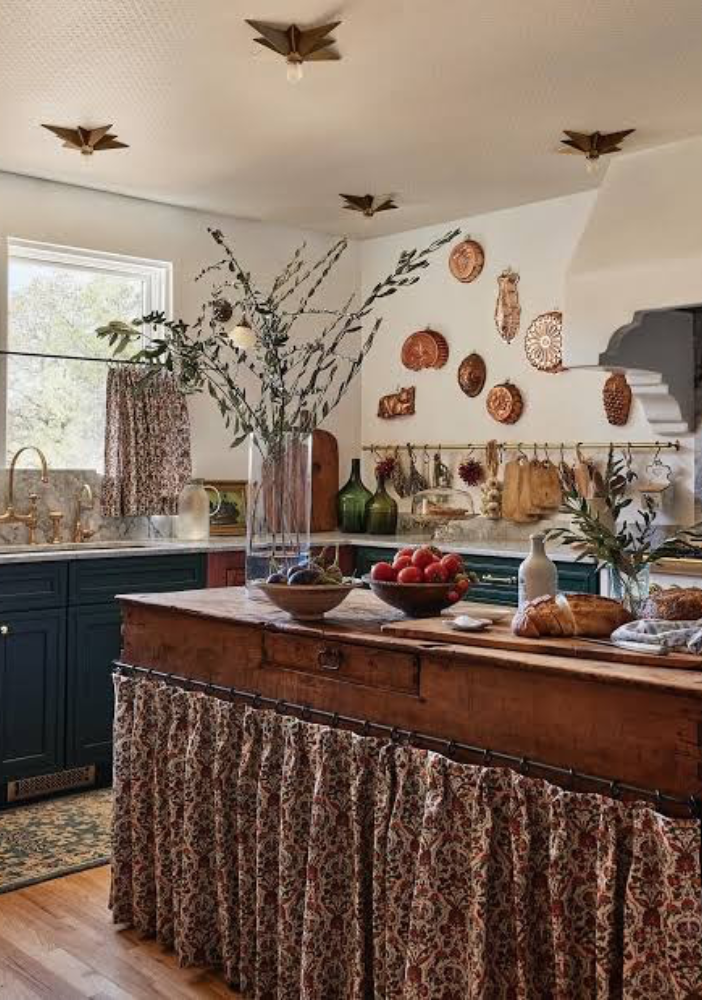
Source: French & French Interiors
sofa stories
When we think of skirted furniture, the sofa is probably the first thing that comes to mind. There's a certain appeal to a beautifully upholstered piece with fabric falling gracefully to the floor, concealing the legs and giving the overall silhouette a softer, more relaxed appearance.
But the look can be interpreted in several ways. A full, gathered skirt has a more casual, traditional feel, while a neatly tailored skirt can look quite refined. On an occasional chair or ottoman, it can add a little more presence, particularly when the rest of the piece is fairly simple.
The style of skirt makes a difference, too. Box pleats create a structured, symmetrical finish, while knife pleats offer a more subtle, tailored appearance. Gathered skirts have a little more movement and fullness, and a simple flat panel is a lovely option when you prefer something understated. Each brings its own personality, and the choice really comes down to the piece itself and the overall look you're hoping to achieve.
Length and proportion are equally important. A skirt that nearly touches the floor tends to feel more traditional and relaxed, while one with a little clearance can appear more tailored. The amount of fullness needs consideration as well. Too much can feel fussy, while too little may not give the fabric enough movement to hang properly.
It's these small distinctions that make skirting so interesting. Two pieces can have an entirely different feel simply because of the way the skirt has been designed.
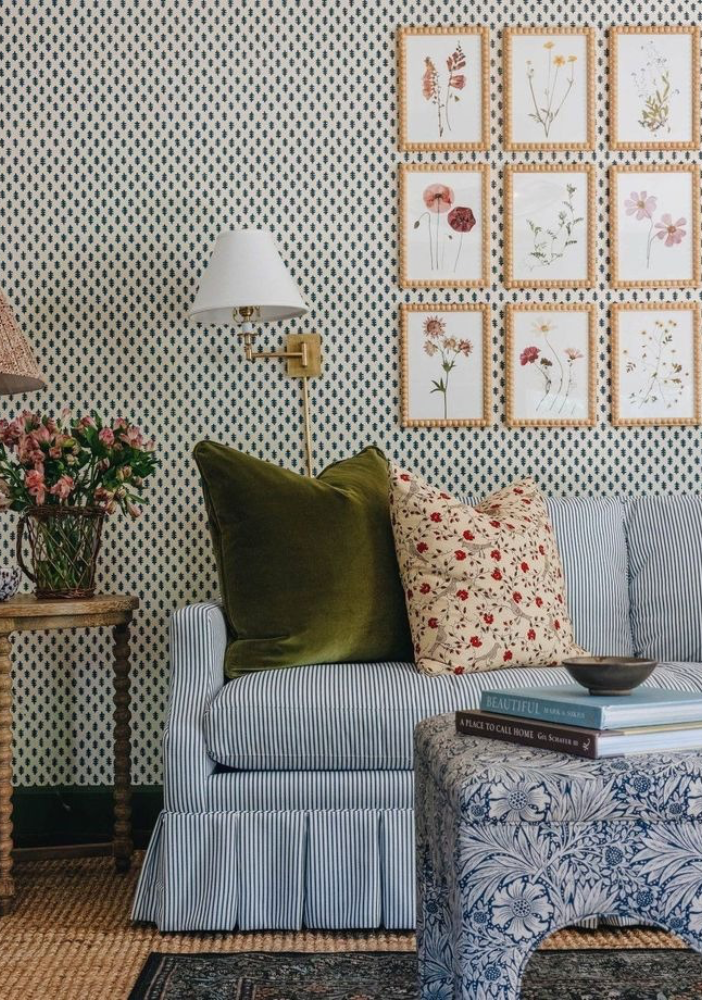
Source: Francoise Murphy Interiors
unexpected places
While upholstered furniture may be the most familiar application, some of my favourite examples of skirting are found in places you might not immediately expect.
A fabric skirt beneath a kitchen sink is a lovely alternative to traditional cabinetry, particularly in a cottage or country-inspired kitchen. It can conceal the practical necessities we don't necessarily want on display, while introducing a softer finish to an otherwise hardworking space. A simple striped or gathered skirt can be particularly charming here.
Bathrooms and powder rooms offer another opportunity. A skirted vanity or pedestal sink can bring a little warmth to a space that often relies heavily on tile, stone and other hard finishes. I especially like this approach in a smaller powder room, where a fabric skirt can give a simple vanity a little more personality without requiring an entirely new piece of furniture.
And then there are occasional tables, consoles and bedside tables. A skirted table can be a lovely way to conceal storage underneath, while a fabric finish on a bedside piece offers an alternative to the more conventional nightstand. These applications can feel particularly special when incorporated alongside antiques, collected furnishings and other traditional elements.
What I love most about skirting is that it doesn't need to be used throughout a space to make an impression. Sometimes, a single, unexpected application is all it takes to introduce the detail and bring a little more character to a room.
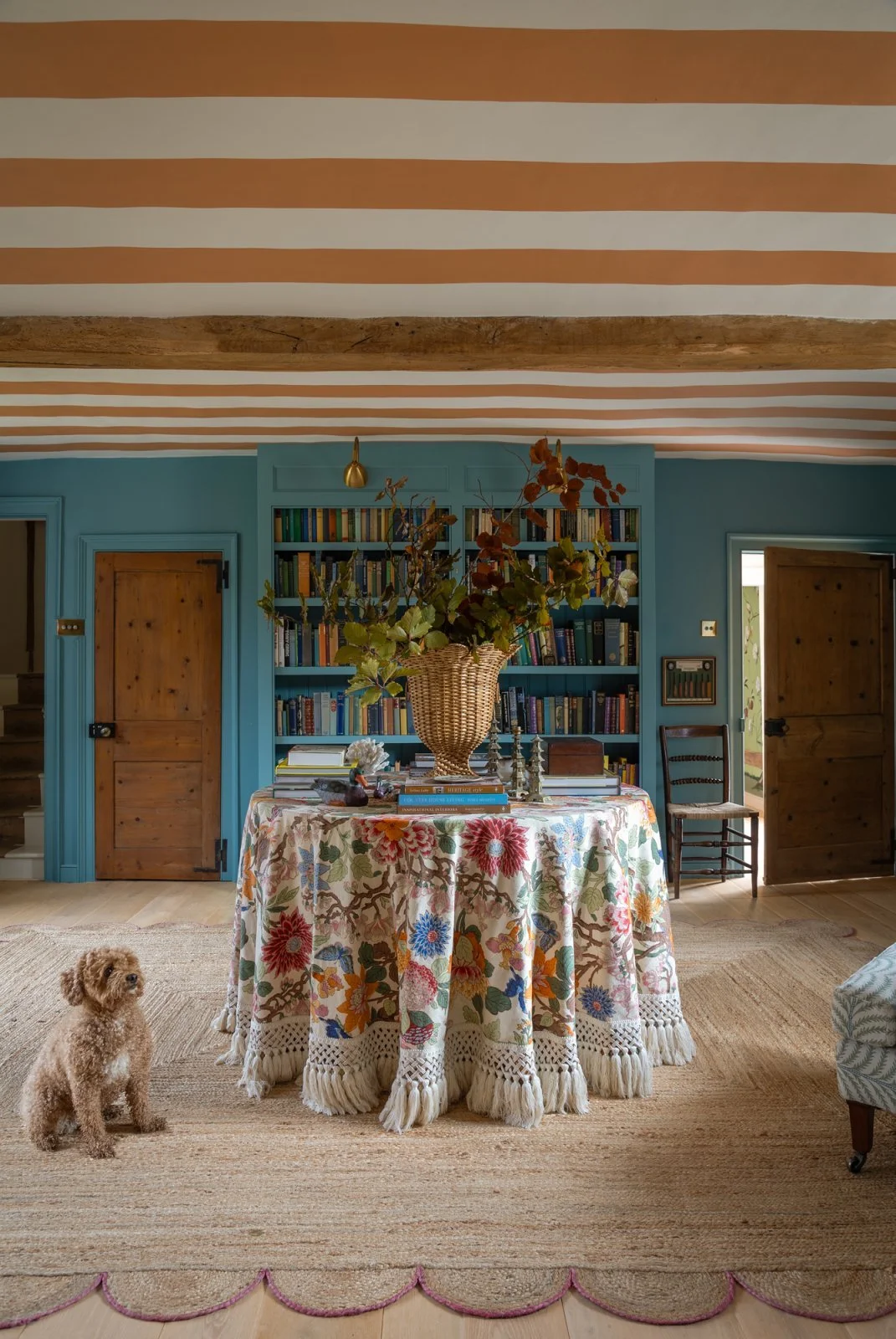
Source: Sean Symington Interior Design
considered details
As with any design detail, there's a balance between getting the look right and making sure it works for everyday living. Fabric selection is worth considering carefully, particularly in kitchens and bathrooms where spills, moisture and regular use are part of the equation. Washable fabrics and removable skirts are practical considerations, and the way the skirt is attached should allow for easy cleaning when needed.
The finish itself deserves just as much attention. A well-proportioned skirt should hang evenly, with pleats that fall consistently and a hem that sits as intended. Even something as simple as the way the fabric meets the floor can influence the overall appearance.
I also think it's worth considering the surrounding furnishings. Skirting has a naturally softer quality, so it can be particularly effective when paired with more structured pieces, beautiful millwork or harder materials. That contrast is part of its appeal.
Ultimately, I think skirting is a lovely example of how a relatively small design decision can bring something unexpected to a room.
And while it may not be the first detail that comes to mind when planning a room, it's certainly one worth considering.
Ottawa Interior Design | Ottawa Designer | Custom Home Builders | Petawawa | Ottawa | Renfrew | Calabogie | Pembroke | Ottawa Valley Designer | Ottawa Decorating | Vintage Home | Custom Home Design | Toronto | Montreal | Ottawa Valley Home Build | Home Design | Interior Decorating | Interior Design Tips | Designer Tips | Montreal Interior Design | Design Guidance | Interior Designer | Toronto Interior Design | Skirting | Furniture Skirting | Home Designer | Ottawa Valley Designer | Interior Decor | Home Renovation | Skirting Inspiration | Skirt Details | Traditional Design | Unexpected Skirting